How to Clean Stubborn Oil Stains from Garage Floors
Oil stains are one of the most common problems on garage floors. A small drip from the car can turn into a dark, stubborn patch that seems impossible to shift. If you live in Bondi, where coastal air, sand and humidity can make concrete floors even harder to keep tidy, a clear cleaning plan helps you get better results with less effort. This guide covers how oil stains form, which methods work best, and when it makes sense to call a professional.
Why Oil Stains Are So Hard to Remove
Concrete is porous. It contains thousands of microscopic capillaries that draw liquids downward the moment they land on the surface. Engine oil, transmission fluid and grease soak into these pores quickly, and the longer they sit, the deeper they travel. That is why a fresh spill wipes up easily while a months-old stain needs a more aggressive approach.
Bondi properties add a few extra challenges:
- Salt-laden air: Coastal moisture can leave residue on unsealed concrete, which traps dirt and makes stains look darker.
- Sand and grit: Fine sand tracked into garages grinds into oily patches and bonds with them.
- Limited space: Many Bondi garages are compact, with poor ventilation, so you need to be careful with strong solvents and fumes.
- Unsealed floors: Older units and terrace homes often have bare concrete, which absorbs oil far more readily than sealed surfaces.
What You Need Before You Start
Gather your supplies first so you can work through the process without stopping. Most of the items are inexpensive and available from hardware stores.
- Stiff-bristled nylon brush (avoid wire brushes, which can scratch and leave rust marks)
- Rubber gloves and safety glasses
- Absorbent material such as cat litter, sawdust or cornstarch
- Dishwashing detergent or a dedicated degreaser
- Bicarbonate of soda (baking soda)
- A commercial concrete degreaser or poultice product for old stains
- Hot water and a bucket
- A garden hose or pressure washer
Step-by-Step: Removing Fresh Oil Stains
If the spill just happened, act fast. Fresh oil is far easier to lift than oil that has had time to settle.
- Blot, do not wipe. Use paper towels or an old rag to soak up surface oil. Wiping spreads the stain across a larger area.
- Cover with absorbent material. Pour a generous layer of cat litter, sawdust or cornstarch over the spill. Press it down with your shoe or a board so it makes full contact.
- Leave it for several hours. Overnight is best. The absorbent draws oil up out of the concrete pores.
- Sweep up and dispose. Collect the used material and dispose of it properly. Oil-soaked absorbents should not go down drains or into stormwater.
- Scrub with detergent. Apply dishwashing liquid and a little hot water, scrub with a nylon brush, then rinse thoroughly.
Tackling Old, Stubborn Stains
Older stains have penetrated deeper, so they need a stronger approach. Work through these methods in order, starting with the gentlest.
Bicarbonate of Soda Paste
Mix bicarbonate of soda with a small amount of water until it forms a thick paste, similar to toothpaste. Spread it over the stain, about 5 to 10 millimetres thick, and let it dry completely. This usually takes several https://pressurecleaningbondi.com.au/house-washing/ hours. Brush it away and rinse. Repeat if the stain has faded but not disappeared.
Hot Water and Degreaser
Pour a concentrated degreaser over the stain and let it sit for the time listed on the label, usually 15 to 30 minutes. Scrub vigorously with a stiff nylon brush, then rinse with hot water. Hot water helps loosen oil that has bonded to the concrete, though take care not to splash yourself.
Concrete Poultice
A poultice is a paste that draws oil out of deep within the concrete. Commercial poultice products are widely available, or you can make a basic version by mixing an absorbent powder such as diatomaceous earth or talc with a solvent like acetone. Because acetone is flammable and gives off strong fumes, only use it with the garage door fully open, no ignition sources nearby and appropriate gloves and eye protection.
Apply the poultice about 6 millimetres thick, cover it with plastic sheeting taped at the edges, and leave it for 24 to 48 hours. Remove the plastic, let the poultice dry, then scrape it off and rinse the area. Deep stains may need two or three applications.
Biological Cleaners
Enzyme-based or bacterial cleaners are designed to break down hydrocarbons over time. They work more slowly than solvents but are gentler on the environment and are a good option for large, old stains. Follow the product instructions, as most need the surface kept damp for a period of time.
Using a Pressure Washer Safely
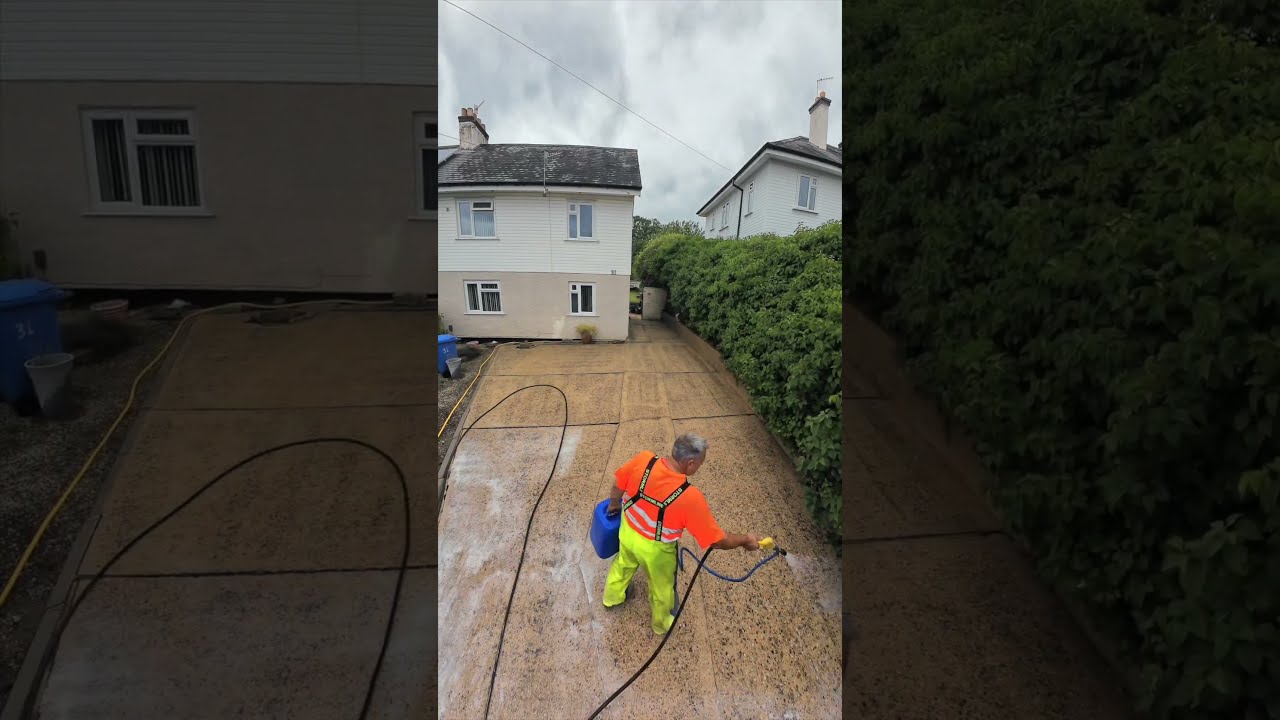
A pressure washer can be very effective after you have applied degreaser, because it flushes loosened oil from the pores. Keep these points in mind:
- Use a fan tip rather than a narrow jet to avoid etching the concrete.
- Hold the nozzle 20 to 30 centimetres from the surface.
- Use hot water if your machine supports it, as it improves results considerably.
- Never pressure wash oily runoff into the street or stormwater drains.
Disposing of Wastewater and Waste Responsibly
Oil and degreaser runoff is a pollutant, and in a coastal suburb like Bondi, stormwater drains lead directly to the ocean. Contain wash water where possible by using a wet vacuum, bunding the work area with sandbags or directing water onto a grassed area that can filter it. Oil-soaked rags, used absorbents and leftover solvents should be taken to a council-approved hazardous waste drop-off. Check the Waverley Council website and NSW Environment Protection Authority guidance for current collection days and drop-off locations.
Preventing Future Oil Stains
Once your floor is clean, a few simple habits will keep it that way.


- Seal the concrete. A quality epoxy or polyurethane sealer stops oil from soaking in, making spills easy to wipe away. Floors need to be clean, dry and properly prepared before sealing.
- Use drip trays. Place a tray or mat under your vehicle, especially if you know it has a slow leak.
- Fix leaks promptly. A small drip is a sign something needs attention, and repairs cost less than repeated cleaning.
- Keep absorbent on hand. A small bag of cat litter in the garage means you can respond to a spill within minutes.
- Sweep regularly. Removing sand and grit reduces the abrasion that drives oil deeper into the surface.
When to Call a Professional
Some stains simply will not budge with home methods. If you have tried several treatments without improvement, or if the stain covers a large area, it may be time to bring in a professional cleaning service. Professionals have access to commercial-grade degreasers, hot-water pressure cleaning equipment and recovery systems that capture contaminated wastewater. They can also prepare and seal the surface so the floor stays protected afterwards.
Professional help is also worth considering if you are preparing a property for sale or lease in Bondi, where presentation matters and a clean garage can make a noticeable difference to buyers and tenants.
Final Thoughts
Removing stubborn oil stains from a garage floor takes patience, but the process is straightforward when you match the method to the age and depth of the stain. Start with absorbents and detergent for fresh spills, move to bicarbonate paste or poultices for older marks, and always dispose of waste responsibly to protect Bondi's waterways. With a good seal and a few preventive habits, your garage floor can stay clean and presentable for years to come.
Bondi Pressure Cleaning
(02) 8550 5711